Industrial work platforms and general-purpose equipment both promise a way to give workers safe, efficient access. Both aim to support the same tasks across facilities. Yet each serves a different purpose depending on the operation.
Choosing between the two affects cost, safety, and long-term value. Picking the wrong option can mean higher risk or wasted spend down the line. This article compares both options and outlines what to consider before making a decision.
The Practical Appeal of General-Purpose Equipment
General-purpose equipment covers tools built for a wide range of tasks. Scaffolding, aerial lifts, and rolling stairs fall into this category. Facilities often turn to these types of equipment when access needs vary from one job to the next.
This flexibility comes with clear advantages. The list below covers the main reasons facilities choose general-purpose equipment over specialized alternatives.
- Lower upfront cost. General-purpose equipment usually costs less to buy or rent, which makes it a practical choice for facilities with tight budgets.
- Fast deployment. Most general-purpose equipment is ready to use right away. Facilities do not need to account for custom engineering or long lead times.
- Broad versatility. The same equipment can serve multiple tasks across different areas. This reduces the need to buy separate tools for every job.
- Simple to relocate. Many options are portable or easy to move, making them a good fit for facilities with changing layouts or temporary project needs.
General-purpose equipment works well for facilities with varied or infrequent access needs. It offers a fast, low-cost way to get workers where they need to be. For operations without a repeated, fixed access point, this option often makes sense.
Why Facilities Upgrade to Specialized Industrial Work Platforms
General-purpose equipment only goes so far. As access needs grow more frequent, workers need something built for the job. That is why many facilities invest in industrial work platforms designed for specific tasks.
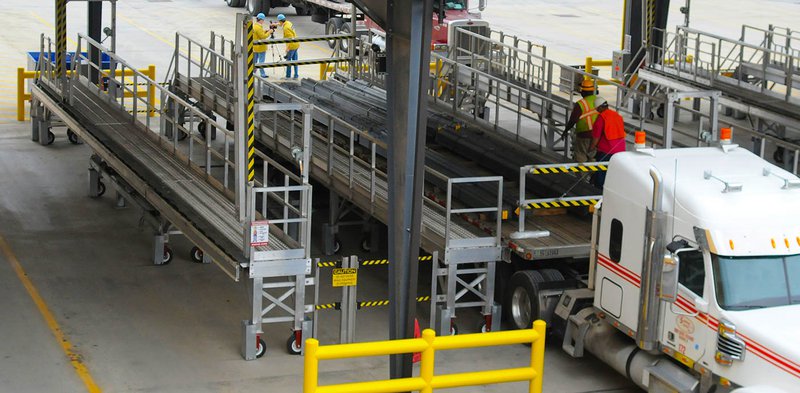
The list below covers the main reasons facilities choose to upgrade:
- Built for the exact hazard. Purpose-built platforms match the specific vehicle, railcar, or vessel a facility handles. This removes the guesswork general-purpose equipment often requires.
- Supports high-frequency use. Facilities running frequent operations, including transloading processes, need equipment that holds up under daily use. A specialized platform keeps access consistent without added strain on workers.
- Meets stricter compliance needs. These platforms meet hazard analysis and site-specific regulations directly. That makes it easier to pass inspections and reduce liability.
- Lowers cost over time. The upfront investment is higher, but the equipment lasts longer and needs less rework. Over time, facilities can avoid the recurring costs associated with short-term rentals.
- Adds safer elevated access. Some facilities pair their platforms with elevated access options, such as stair towers, crossovers, or fixed ladders, for safer movement between levels. This keeps workers secure at every point of the operation.
Together, these upgrades create a long-term solution instead of a temporary fix. Facilities gain equipment that keeps pace with daily demands, not just occasional ones.
Choosing Which Work Platforms Fit Your Facility’s Needs
Every facility has different access needs. The right choice between general-purpose equipment and industrial work platforms depends on how the site actually operates. A few factors make that decision clearer.
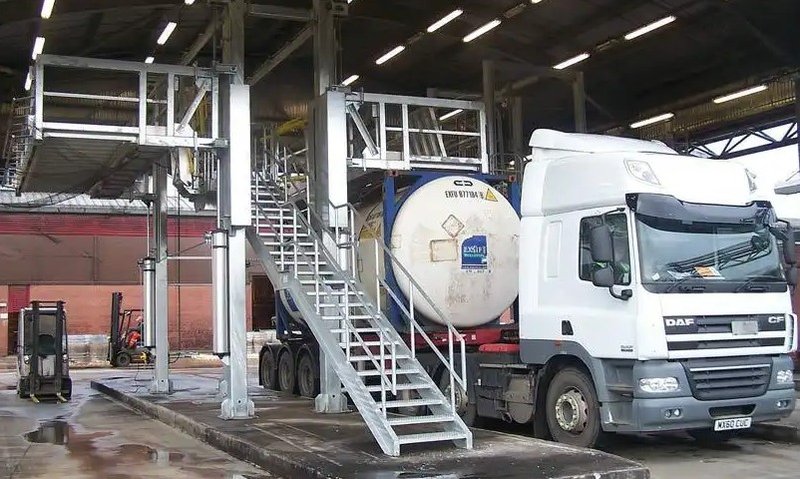
Consider the following criteria when comparing your options.
- Frequency of use. Daily or high-volume access points favor a purpose-built industrial platform. Occasional or one-off tasks may not justify that investment.
- Vehicle or vessel variability. Facilities handling a wide range of trucks, railcars, or vessels need equipment that adjusts easily. Fixed platforms work best when the equipment being accessed stays consistent.
- Regulatory requirements. Some sites face stricter hazard analysis or inspection standards. After all, falls, slips, and trips caused 885 workplace fatalities across all industry sectors in 2023. Purpose-built platforms are often easier to bring into compliance with these standards.
- Budget and total cost. General-purpose equipment costs less upfront. Specialized platforms often cost less over time when used frequently.
- Room to scale. Growing operations benefit from platforms that expand or adjust to new configurations. This avoids replacing equipment as needs change.
Weighing these factors helps facilities avoid over-investing or under-preparing for the access they need. The goal is equipment that matches actual demand, not just budget or convenience. Choosing equipment that matches the facility’s needs helps keep operations safe and efficient over the long term.
Partner with Us for Your Access Needs
Choosing between general-purpose equipment and industrial work platforms comes down to how your facility actually operates. The right fit protects workers and supports daily demands. That decision also shapes safety, compliance, and cost for years to come.
At Carbis Solutions, we design and build access systems for truck, rail, and marine facilities. We also offer site assessments and training to match the right solution to your operation. Reach out to our team to find the platform that fits your needs.