Fixed platforms serve sites with constant, high-volume access needs. They stay in one place and handle the same task every day. That setup works well when access needs are consistent, but not every job follows the same pattern.
Some tasks need flexibility that a fixed structure cannot give. A portable platform moves with workers, from one truck, railcar, or vessel to the next. This article covers common applications, when temporary access beats a fixed structure, and what to look for in a platform.
Common Portable Work Platform Applications
A portable work platform shows up in more places than most people expect. Workers use it for tasks ranging from routine loading to short-term maintenance work. Each industry adapts it to its own version of temporary access.
These applications span industries where access needs shift by site, season, or schedule. Some examples include:
- Specialty Chemical Blending. Custom blenders often load different container sizes and truck types. A portable platform adjusts without a separate structure for each configuration.
- Seasonal Food and Beverage Production. Some facilities ramp up loading only during harvest or peak season. A portable platform meets that demand without sitting idle the rest of the year.
- Plant Turnarounds and Shutdowns. Scheduled maintenance often requires temporary access to elevated equipment. Contractors move the platform to each work area as tasks change.
- Multi-Site Service Providers. Inspection and sampling companies work across client sites that lack matching infrastructure. A portable platform travels with the crew instead of relying on what each site has.
- Remote or Temporary Storage Areas. New or short-term storage sites often lack permanent access structures. A portable platform provides safe access at sites where permanent access needs have not yet been established.
Without a dedicated platform, many of these situations end up relying on scaffolding instead. Scaffolding still ranks among OSHA's top cited standards, often because it gets used as a stopgap for access it was not built to handle. A portable work platform is built for exactly this kind of shifting, temporary need.
When Does Temporary Access Make More Sense Than a Fixed Structure
Access equipment faces the same basic question everywhere it gets installed. Should it stay fixed in one place, or move with the work? The choice between fixed ladders and portable platforms comes down to how often an access point gets used and how much it needs to move.
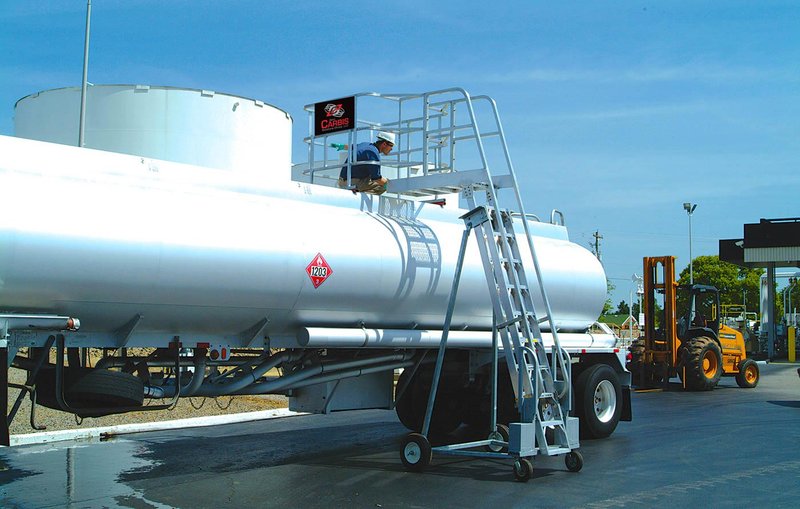
Here are a few considerations that could point you to the right decision:
- Irregular Access Frequency. Some access points only get used a few times a month. Building a fixed structure for infrequent use rarely justifies the cost.
- Variable Equipment or Vehicle Sizes. Sites that handle different truck heights or container types need flexible access. A fixed platform cannot adjust the way a portable one can.
- Uncertain Long-Term Layout. New facilities or sites under expansion often have layouts still in flux. A portable platform serves the site now without locking in a permanent footprint.
- Budget Timing Constraints. Capital projects sometimes stall due to approval cycles or funding delays. A portable platform closes the safety gap while the fixed structure is still under review.
- Multiple Access Points, One Solution. Some sites need occasional access at several locations. One portable platform can serve all of them instead of building several fixed structures.
These scenarios point to the same idea. When access needs shift, a portable work platform adapts faster than a fixed structure ever could. That flexibility is often the deciding factor for teams weighing both options.
What to Look for in a Portable Work Platform
Not all portable platforms handle the same range of tasks. Some suit light, occasional use, while others need to support heavier loads and longer shifts. Choosing the right portable work platform means matching its features to the actual job.
A few features make the biggest difference in daily use:
- Load Capacity. The platform must support the workers, tools, and materials involved in each task. Underrated equipment creates risk long before it fails outright.
- Adjustable Height. Sites often deal with trucks, railcars, or equipment of different sizes. A platform that adjusts easily avoids the need for separate equipment at each height.
- Stability and Base Design. Outriggers, wheel locks, and a solid base keep the platform steady during use. Without this, even a well-built platform becomes a hazard on uneven ground.
- Guardrails and Fall Protection Points. Workers need secure attachment points and guardrails that meet current safety standards. This matters most when tasks put workers close to an edge.
- Mobility Between Access Points. Some jobs call for platforms that move easily between locations in the same shift. Well-designed temporary access solutions handle flatbed loading tasks this way, relocating without heavy equipment or long setup times.
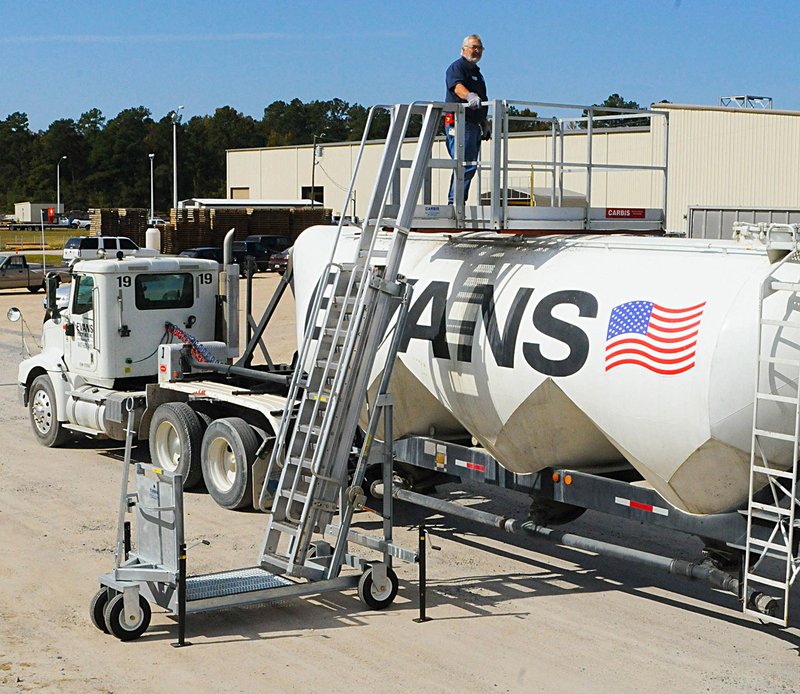
The right combination of features depends on the site and the task at hand. A platform built for one job rarely performs as well in another.
Find Temporary Access Solutions You Can Trust
Access needs change from site to site, and sometimes from one shift to the next. A portable work platform gives workers safe footing without locking a site into a permanent structure. That flexibility makes it a practical choice for many temporary access needs.
At Carbis Solutions, we design platforms, gangways, and safety cages built for these shifting demands. We work alongside your team to match the right equipment to your site and task. Reach out to us to talk through your temporary access needs.