
Workers need safe, reliable ways to reach elevated areas every day. Ladders and temporary platforms often fall short when access is frequent or long-term. That's where a stair tower comes in.
A stair tower gives workers a stable, code-compliant path to fixed elevated points. It supports routine movement without added risk. This article breaks down what a stair tower is, when it makes sense to use, and how it can improve safety at your site.
What is a Stair Tower?
A stair tower is a freestanding structure that gives workers safe access to elevated areas. It typically includes stairs, landings, and guardrails. Some designs also add enclosures or canopies for extra protection.

Unlike ladders, stair towers let workers walk upright at a natural pace. This reduces fatigue and lowers the risk of missteps. Workers can also carry tools more easily while climbing.
Stair towers support a wide range of everyday operations, including:
- Elevated platform access. Workers use stair towers to reach catwalks, mezzanines, and other fixed platforms safely.
- Tank and vessel access. Facilities use stair towers to reach the tops of storage tanks or processing vessels for inspections and maintenance.
- Rail and truck loading areas. Some sites use stair towers alongside gangways to access nearby elevated loading zones.
- Building and equipment access. Stair towers provide routine access to rooftops, upper floors, or large equipment structures.
Many stair towers are custom-engineered for a specific site. This ensures the structure fits seamlessly into daily operations.
When a Stair Tower Makes Sense for Elevated Access
Not every elevated access point needs the same solution. The right choice depends on how often workers use the access point and how the site is laid out.
The average medically consulted workplace injury cost $48,000 in 2024, according to the National Safety Council (NSC). That cost adds up fast, especially at sites with frequent elevated access. Choosing the right equipment upfront helps avoid it.
Here are common scenarios where a stair tower is the better fit:
- Frequent access needs. Workers who climb to the same elevated point multiple times a day benefit from a stable, repeatable path.
- Fixed access points. Unlike gangways built for vehicle access, stair towers suit locations that do not change, like platforms or catwalks.
- Multiple workers at once. Stair towers allow more than one worker to move safely, unlike ladders that require one at a time.
- Long-term or permanent installations. Sites that plan to use an access point for years benefit from a durable, built-to-last structure.
- Strict compliance requirements. Facilities with rigorous internal safety standards often need guarded stairs rather than ladders.
Sites with vehicle-based product transfer, like tanker trucks or railcars, usually need a different solution. In those cases, a gangway system often makes more sense.
Key Benefits of Choosing a Stair Tower
A stair tower does more than provide access to elevated areas. It supports safer movement, faster workflows, and fewer disruptions over time. The right structure can also reduce long-term maintenance and compliance headaches. Here are the key benefits worth considering when evaluating your options.
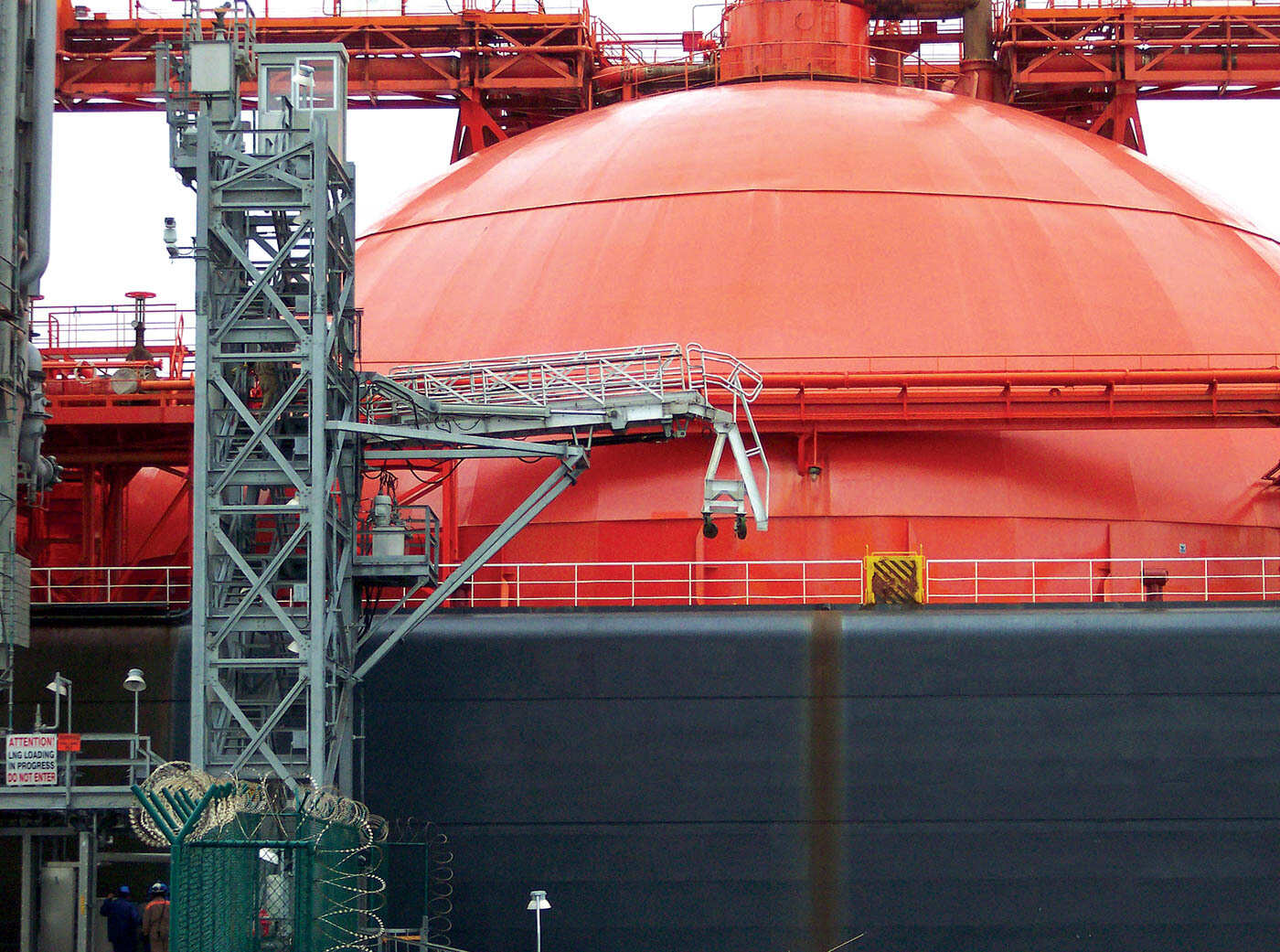
- Improved worker safety. Guardrails, midrails, and even steps reduce the risk of slips, trips, and falls compared to ladders. Workers gain a stable, predictable path with no gaps to misjudge.
- Easier movement. Workers can walk upright and carry tools or equipment without needing both hands free. This makes routine tasks, like loading and unloading trucks, faster and less physically demanding.
- All-weather durability. Galvanized steel and aluminum construction hold up against rain, wind, and temperature swings. These materials resist rust and wear even in harsh outdoor environments.
- Custom engineering. Height, width, and layout can be tailored to fit your site's exact access point. This ensures the structure integrates smoothly into existing operations.
- Long-term reliability. A well-built stair tower requires minimal upkeep and holds up over years of daily use. This lowers the total cost of ownership over time.
- Support for compliance. Guarded stairs help meet the Occupational Safety and Health Administration (OSHA) fall protection standards more consistently than makeshift or improvised solutions. This reduces the risk of citations during inspections.
These benefits add up to a safer site and fewer disruptions to daily operations. A stair tower is a practical, long-term investment in worker safety.
Partner with Carbis Solutions for Access Solutions
Choosing the right elevated access solution protects workers and keeps operations running smoothly. A stair tower offers a durable, code-compliant option for sites with frequent or long-term access needs. The right fit depends on your site's layout, usage, and safety requirements.
At Carbis Solutions, we design and build custom stair towers engineered for your specific site conditions. Our team also provides site assessments, hazard analysis, and on-site training to support safe, long-term use. Contact our team to talk through the best access solution for your facility.