
Ladders are a critical part of daily operations in industrial facilities. Workers rely on them to reach tanks, platforms, and loading areas safely and efficiently. Getting the right ladder in place keeps operations running smoothly and workers protected.
Not all ladders serve the same purpose, though. Fixed ladders and portable ladders each have their place, and knowing when to use one over the other matters for safety and compliance. This guide breaks down the differences so you can make the right call for your facility.
The Difference Between Fixed and Portable Ladders
Safety on industrial sites often comes down to using the right equipment for the right task. Both fixed ladders and portable ladders provide safe access, but they protect workers in different ways. Here's where the two differ:
- Installation and stability. Fixed ladders are permanently anchored to a structure. They give workers a stable, consistent climb every time. Portable ladders move easily, but stability depends on how workers set them up and place them each time.
- Fall protection integration. Facilities can pair fixed ladders with safety cages, cable systems, or fall arrest equipment for high-risk climbs. Portable ladders rely more on worker positioning, footing, and duty rating to reduce fall risk.
- Site mobility. Portable ladders can move across different work areas, making them useful for sites with changing access needs. Fixed ladders stay in place, supporting areas that require repeated access under the same conditions.
- Structure. Most manufacturers build fixed ladders using reinforced materials for long-term, heavy-duty use. Portable ladders are typically lighter and designed for quicker setup.
- Compliance requirements. Fixed ladders are often subject to specific standards from the Occupational Safety and Health Administration (OSHA) involving height, cages, and landing platforms. Portable ladders follow separate OSHA guidelines tied to duty rating, angle, and proper use.
The biggest difference comes down to permanence and purpose. Fixed ladders serve areas that need frequent, repeated access, while portable ladders handle temporary or occasional tasks across different locations.
Best Applications for Fixed Ladders
Fixed ladders work best in areas that require frequent, repeated access under consistent conditions. Their permanent structure makes them a reliable choice for high-traffic points where workers need dependable footing every time. Here are some of the most common industrial applications:

- Storage tanks and silos. Workers who need to check levels, perform maintenance, or run inspections on tanks and silos benefit from a stable, permanent climb.
- Elevated processing platforms. Facilities with platforms used throughout the day, such as loading racks or processing units, rely on fixed access for consistency and speed.
- Rail and truck loading structures. Locations with regular product transfer activity call for durable, weather-resistant access that holds up to daily use.
- Rooftop and equipment access points. Maintenance teams accessing rooftop units, tanks, or elevated machinery need secure, code-compliant routes to do their jobs safely.
These applications share one thing in common: frequent use in a fixed location. Falls remain one of the leading causes of workplace fatalities, accounting for roughly 13% of all fatal work injuries in 2021, according to the U.S. Department of Labor. That risk is exactly why permanent, stable access matters most in high-traffic areas.
Ideal Uses for Portable Ladders
Portable ladders are built for flexibility. They work best in situations where access needs change from day to day or job to job. Here are some of the most common industrial uses:
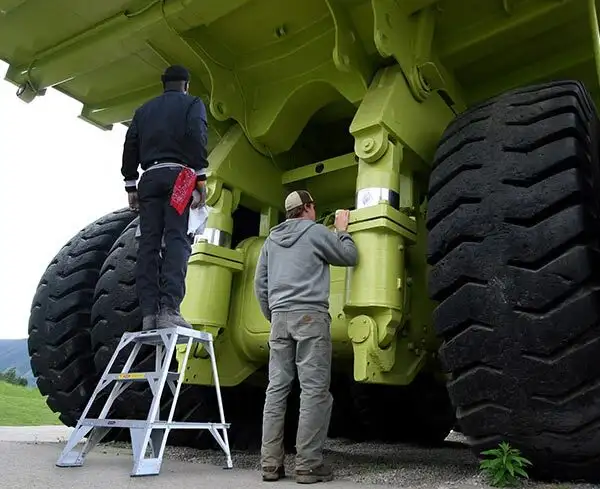
- Tank and vessel inspections. Maintenance teams checking valves, gauges, or seals on tanks and vessels often need quick, temporary access rather than a permanent structure.
- Multi-site plant operations. Facilities with several processing or storage areas benefit from ladders that move wherever the task is, without installing fixed access at every point.
- Truck and railcar access. Portable ladders give workers a fast way to reach vehicles or railcars during loading and product transfer, especially when the access point changes by shipment.
- Turnaround and outage work. Plant shutdowns and turnarounds often call for extra ladders across multiple work zones for a limited stretch of time.
Portable ladders provide practical, on-demand access wherever fixed structures don't fit the job. The tradeoff is that safety depends more on the worker, since proper setup, footing, and duty rating all play a bigger role than they do with a permanent installation.
Deciding Which Ladder Type is Safer for Your Industrial Facility
There's no universal answer to which ladder type is safer. Safety depends on how a ladder is used, not just its design. Consider these factors to determine which option reduces risk in your specific situation:
- Consistency of use. Fixed ladders reduce risk in areas with frequent access because they remove variables like setup and placement. Portable ladders introduce more risk when used repeatedly in the same spot, since each use depends on proper positioning.
- Fall protection integration. Crews can pair fixed ladders with cages, cable systems, or fall arrest equipment to lower risk on high climbs. Portable ladders rely more heavily on the worker's technique, footing, and adherence to duty rating. Understanding the common fall risks tied to working at height can help clarify where that risk is highest.
- Human error factors. Portable ladders carry more risk tied to setup, such as incorrect angle, unstable footing, or placement on uneven ground. Fixed ladders remove much of that variability since they're permanently secured in place.
- Maintenance and inspection needs. Both ladder types require regular inspection, but fixed ladders are easier to monitor since they stay in one location. Portable ladders move between work areas, making consistent inspection and upkeep more difficult to track.
When frequent, high-risk access is involved, fixed ladders tend to offer the safer long-term solution. For occasional tasks with proper training and setup, portable ladders can still meet safety standards without the same investment.
Ensure Safe Access Points at Your Facility
Choosing the safer ladder type comes down to matching the right solution to how your team actually works. At Carbis Solutions, we specialize in custom-engineered fixed ladders built to meet the demands of industrial environments. Our team works with you from initial site assessment through installation to make sure your access points are safe and compliant.
We bring decades of experience helping facilities in petroleum, chemical, and food and beverage industries reduce fall risks at height. Every solution we design fits your specific operation, not a generic template. Get in touch with our team to start building a safer access solution for your facility.