Mobile access equipment provides safe, flexible access to elevated areas where fixed platforms may not be practical. Trucks, rail cars, and tankers come in different heights and shapes, making flexible access essential. Fixed platforms work well in many settings, but they cannot always adjust to changing vehicle sizes or tight layouts.
Choosing the right mobile access equipment requires more than picking a platform off a list. You need to weigh site conditions, safety requirements, and daily operational demands before making a decision. This guide walks through where portable equipment fits best and what to look for before you invest.
Common Applications for Mobile Access Equipment
Mobile access equipment shows up across many industries where workers need to reach vehicles safely. Portable platforms move from site to site, adapting to different truck heights, rail cars, and tankers. The flexibility makes them a practical choice wherever fixed installations fall short of daily demands.
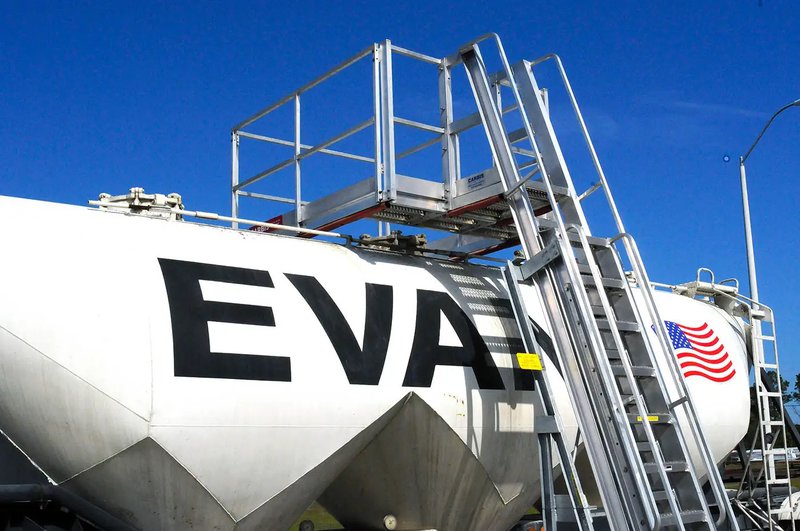
Several industries depend on this equipment to keep workers safe during loading and product transfer. The following list shows where portable platforms make the biggest safety difference on site:
- Truck and Tanker Access. Operators reach truck tops and tanker hatches for sampling, venting, and product transfer.
- Rail Car Access. Crews safely reach rail car hatches across varying car heights and configurations.
- ISO Container Access. Personnel can open and close container hatches despite inconsistent container dimensions.
- Multi Vehicle Facilities. Sites handling several vehicle types use one platform instead of multiple fixed installations.
- Space Constrained Sites. Facilities with limited room use mobile units where fixed platforms cannot fit.
Each of these applications shares a common demand for safe, reliable access. Your team needs equipment that adjusts to the site instead of forcing a fixed setup. Even so, no two facilities face the exact same access challenges day to day.
Matching equipment to your operation matters once you see how these platforms get used. Every site brings different vehicle types, access points, and safety requirements to consider. As a result, keeping these differences in mind helps you evaluate the buying factors that follow.
Key Considerations Before You Buy Mobile Access Equipment
Choosing the right mobile access equipment involves more than comparing specifications on a sheet. Site conditions, safety rules, and daily operations all shape which platform fits best. The following factors walk you through the most important considerations before you buy.
Vehicle and Site Variability
Consider the range of vehicle heights, widths, and shapes your mobile access equipment needs to accommodate. Look for adjustable features like telescoping ladders or adaptable cages that handle different configurations. Also, review your site layout for obstacles, uneven ground, or tight turning areas that limit placement options.
Frequency and Volume of Use
Think about how often your team needs access and how many vehicles pass through daily. Frequent, high volume use calls for durable mobile access equipment built for repeated setup and teardown.
Space Constraints and Maneuverability
Measure the clearance around loading and product transfer areas before selecting a platform size. Small gaps between platforms and vehicles can create serious safety risks for personnel. Understanding how small access gaps affect safety helps you choose equipment that fits tight layouts.
Load Capacity and Construction Materials
Check the maximum load rating of the mobile access equipment against the combined weight of workers, tools, and equipment used on site. Compare construction materials for durability, since aluminum and galvanized steel suit different operating conditions. Factor in long term maintenance costs alongside the upfront price of each material option.
Compliance and OSHA Requirements
Confirm your mobile access equipment meets Occupational Safety and Health Administration (OSHA) standards before purchase. OSHA requires fall protection whenever workers face an unprotected side or edge four feet or more above a lower level, under 29 CFR 1910.28. Fall hazards near loading and product transfer areas remain a common compliance concern. Understanding fall risks at operating sites helps you select equipment that meets these standards.
Portable Access Platform Features That Matter
Not every portable platform offers the same level of safety and convenience. Mobile access equipment should include features that support personnel across changing site conditions. The right combination of features keeps operations efficient without compromising safety.
The following features make the biggest difference in day to day platform performance.
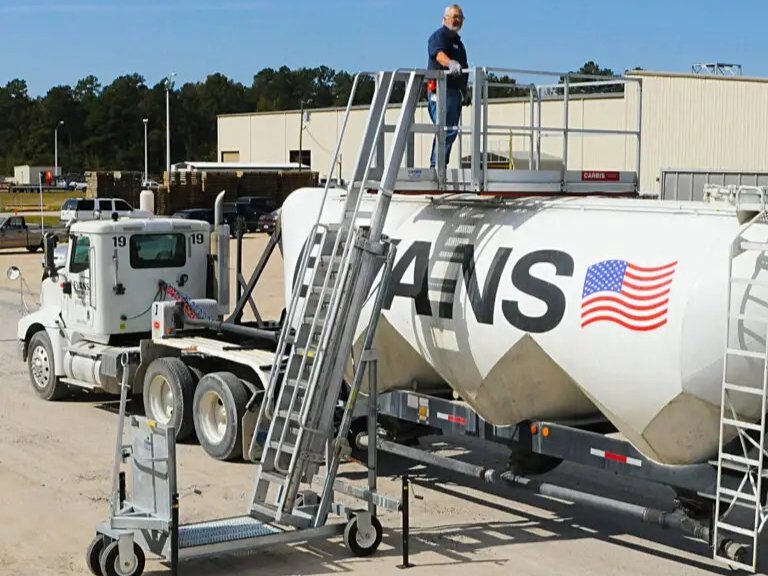
- Telescoping Ladder. Adjusts to reach vehicles of varying heights, allowing safe access across your fleet.
- Integrated Safety Cage. Surrounds the work area and supports compliance with OSHA fall protection requirements.
- Leveling Jacks. Stabilize the platform on uneven ground for secure footing during use.
- Swivel Casters. Allow smooth movement around tight loading and product transfer areas.
- Winch Operated Access. Raises and lowers the ladder without added manual strain on workers.
Together, these features support safe, practical operation across different access points. Choosing equipment with the right combination reduces setup time and lowers long term maintenance needs. Site personnel can then confidently complete their tasks knowing their equipment matches the demands of the job.
Get the Right Access Solution for Your Site
Ensuring site safety starts with mobile access equipment that matches your vehicles, your space, and your daily operations. Sites differ widely, and what works for one facility may fall short at another. Getting these factors right from the start protects workers and keeps operations running smoothly.
Carbis Solutions designs portable access platforms built around these exact considerations, from adjustable ladders to integrated safety cages. We work with your team to understand site conditions and recommend equipment that fits your operation. Get in touch with our team to find the right access solution for your site.