Adjustable work platforms give industrial sites the flexibility fixed access systems cannot offer. Workers stay at a safe, consistent height no matter what changes on site. That consistency is what makes adjustable designs practical for daily operations.
However, the need for platform flexibility could look different depending on the site. Loading demands shift, and no single design fits every operation. So, to help you pinpoint which platform works for your site, this article covers key platform design considerations and how customization ensures the right fit for your site.
The Role of Adjustable Platforms in Industrial Sites
Some loading tasks only need short-term support. Sites handling flatbed trucks often rely on temporary access instead of a permanent structure. An adjustable work platform fills that gap by adapting to each task as it comes.
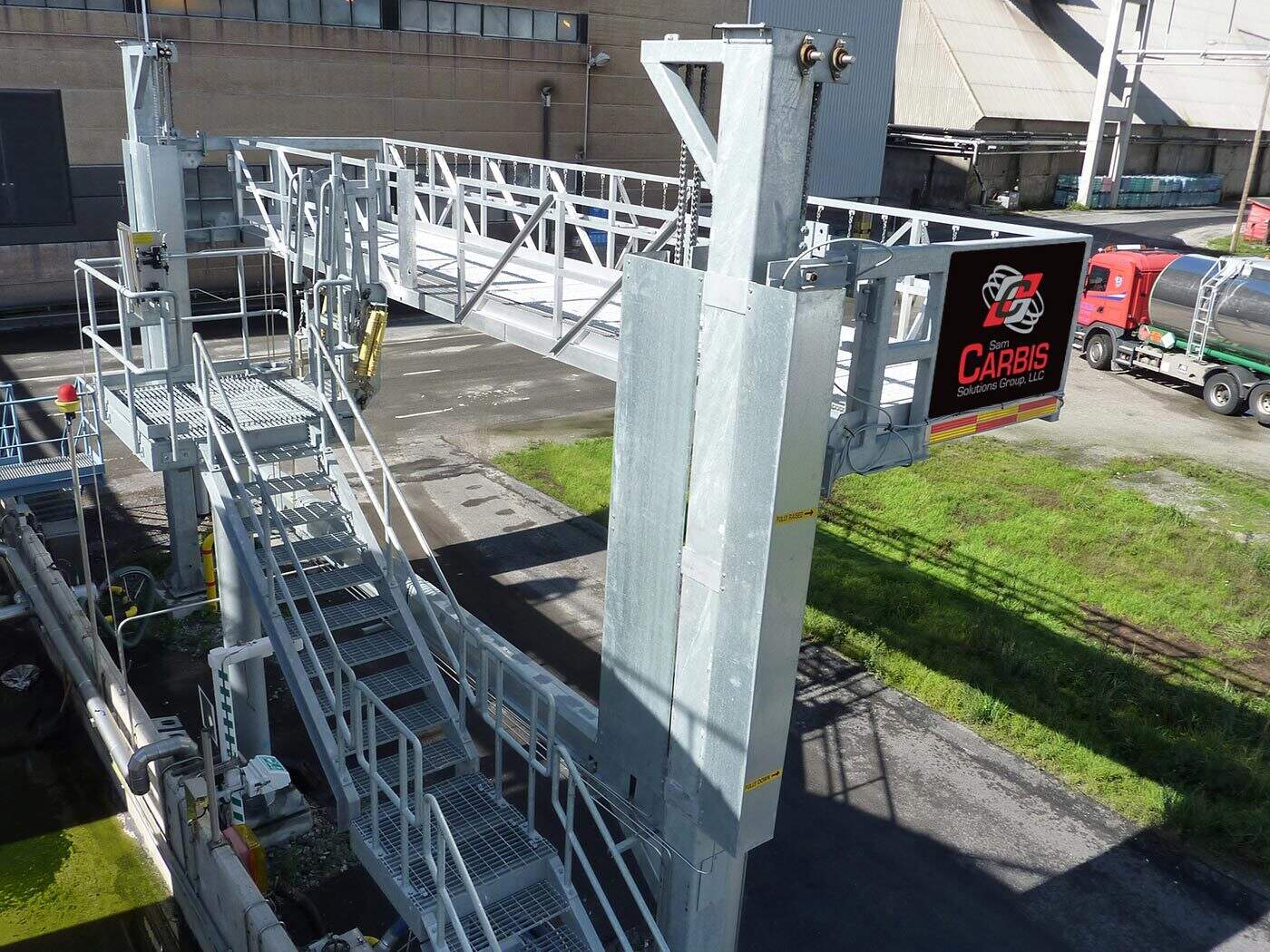
Adjustable platforms offer several benefits that make them practical for daily operations, such as:
- Improved Worker Safety. Workers stay at a consistent height regardless of vehicle size. This reduces the risk of falls during product transfer.
- Reduced Downtime. Adjustable platforms set up quickly for each new loading task. Sites avoid delays caused by waiting on the wrong equipment.
- Adaptability Across Vehicle Types. One platform can serve trucks, railcars, and vessels with different heights. This removes the need for multiple fixed structures.
- Lower Long-Term Costs. A single adjustable platform can replace several fixed setups. That can reduce the cost of purchasing and maintaining multiple fixed setups.
These benefits show why adjustable platforms have become a standard part of industrial sites. They give workers a safer way to handle constantly changing loading conditions. That role only grows as sites take on more varied loading tasks.
Considerations When Choosing an Adjustable Work Platform
Choosing the right adjustable work platform takes more than comparing prices. The platform needs to match how your site actually operates day to day. Getting this wrong leads to costly downtime or safety gaps later.
Every site has different vehicles, layouts, and loading patterns. Matching access systems to workflows helps determine which platform features actually matter for your operation. The considerations below cover what to evaluate before making a decision:
- Height Adjustability Range. Confirm the platform covers the full range of vehicle heights on site. A range that is too narrow limits usability across different loading tasks.
- Load Capacity. Check that the platform supports the weight of workers, tools, and equipment combined. Underestimating load capacity creates a safety risk during product transfer.
- Compliance With Safety Standards. Employers must protect workers on a walking-working surface with an unprotected side or edge that is four feet or more above a lower level. Meeting this standard from the start avoids compliance issues later.
- Ease of Adjustment. Look for platforms that adjust quickly without specialized tools. Faster adjustments mean less downtime between loading tasks.
- Durability and Materials. Platforms exposed to harsh weather or chemicals need corrosion-resistant materials. This extends the platform's service life and reduces maintenance costs.
Ensuring the Right Design Through Site-Specific Engineering
No two industrial sites load cargo the same way. Layout, vehicle types, and safety requirements all differ from one facility to the next. An adjustable work platform only works well when its design reflects those specific conditions.

Standard platforms often miss details that matter for a particular site. Custom access systems account for site layout, vehicle dimensions, and worker workflow from the start. Here is what site-specific engineering typically addresses:
- On-Site Assessments. Engineers evaluate the site before finalizing a design. This identifies constraints that a generic platform would miss.
- Vehicle and Cargo Variability. Designs account for the full range of vehicles and cargo types used on site. This keeps the platform useful as operations change over time.
- Integration With Existing Infrastructure. Platforms need to work alongside existing structures, walkways, and equipment. Poor integration creates new hazards instead of solving old ones.
- Long-Term Serviceability. Engineering accounts for maintenance access and part replacement. This makes the platform easier to maintain and service over time.
Site-specific engineering turns a general concept into a working solution. It ensures the platform is designed around the site's layout, equipment, and workflow.
Adjustable Work Platform Solutions You Can Trust
Choosing the right adjustable work platform protects workers and keeps operations running smoothly. The right design depends on site conditions, safety requirements, and long-term needs. Getting these details right from the start makes all the difference.
At Carbis Solutions, we build adjustable platforms engineered around your site's specific demands. Our team works with you from initial assessment through installation to ensure the right fit. Reach out to us to start planning your platform solution.