
Portable access platforms play a critical role in busy truck, and rail terminals. Workers step onto trailers or board railcars daily while carrying cargo, tools, or paperwork. What seems routine can quickly become hazardous. Even small gaps can create serious fall risks. According to OSHA, slips, trips and falls account for over 20% of workplace fatalities in industrial and transportation sectors, showing how minor missteps can have major consequences.
These platforms provide a stable, predictable surface that bridges gaps safely, helping workers maintain balance, move efficiently, and carry equipment. When combined with ladders, guardrails, and gangways, portable access platforms form a complete access system that minimizes risk while keeping operations on schedule.
Why Small Access Gaps Matter
Even minor inconsistencies in access points can escalate into major safety hazards. Workers navigating tight spaces, uneven surfaces or temporary pathways face increased risk of slips or missteps. Common challenges include:
- Narrow gaps between docks and trailers
- Shifting or uneven railcar gangways
- Wet, oily or slippery work areas
- Temporary maintenance paths around elevated equipment
Workers carrying heavy or awkward loads are particularly vulnerable. A single misplaced foot or momentary loss of balance can cause serious injury. Portable access platforms fill these gaps, creating a level and stable surface that reduces the likelihood of falls and supports safe and repeatable workflow.
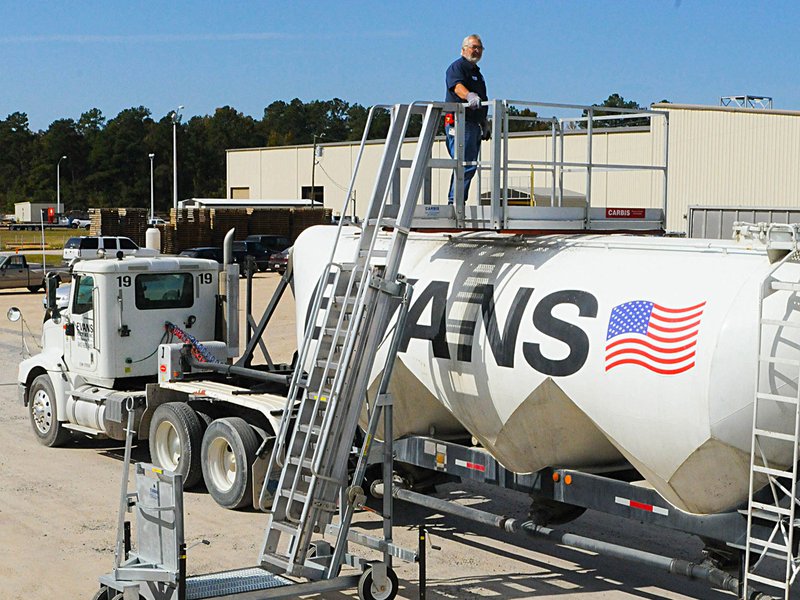
How Portable Access Platforms Improve Safety
Portable access platforms are designed to address the most common challenges in terminals. Their benefits include:
Stability and Security: Adjustable platforms provide reliable footing for climbing, walking or carrying equipment.
Flexibility: Platforms adapt to different vehicle types, dock layouts or vessel configurations. Keeping pace with dynamic terminal operations.
Ease of Deployment: Lightweight and portable, platforms can be quickly repositioned to meet shifting operational needs.
Integration with Other Safety Systems: Platforms work seamlessly with guardrails, ladders, and gangways, creating a continuous protective pathway across elevated surfaces.
By combining stability, flexibility and integration, portable platforms reduce the variability in terminal workflows and keep workers safe throughout the day.
Terminal-Specific Challenges
Different types of terminals present unique access risks.
Truck Terminals: Misaligned trailers and uneven dock surfaces make climbing onto trailers risky. Portable platforms provide a stable bridge and preventing slips during loading and unloading.
Rail Terminals: Railcars vary in height and moving gangways often leave gaps. Platforms create a level surface for workers, particularly when transporting materials or tools.
In both cases, walkways can become slippery from rain, ice or oil. Portable access platforms provide secure footing for crews navigating between gangways, cargo, and equipment.
By targeting these terminal-specific challenges, portable platforms create predictable conditions and reduce the likelihood of accidents.
Best Practices for Using Portable Access Platforms
To maximize safety and efficiency, facility managers should implement these practices:
- Conduct routine assessments to identify gaps, uneven surfaces or temporary hazards
- Position platforms to create continuous and leveled pathways
- Train workers on correct setup, weight limits, and safe movement
- Integrate platforms with ladders, guardrails and gangways for complete access coverage
- Inspect regularly for wear, stability and overall integrity
Following these steps ensures platforms remain effective while improving operational efficiency and reducing fall risk.
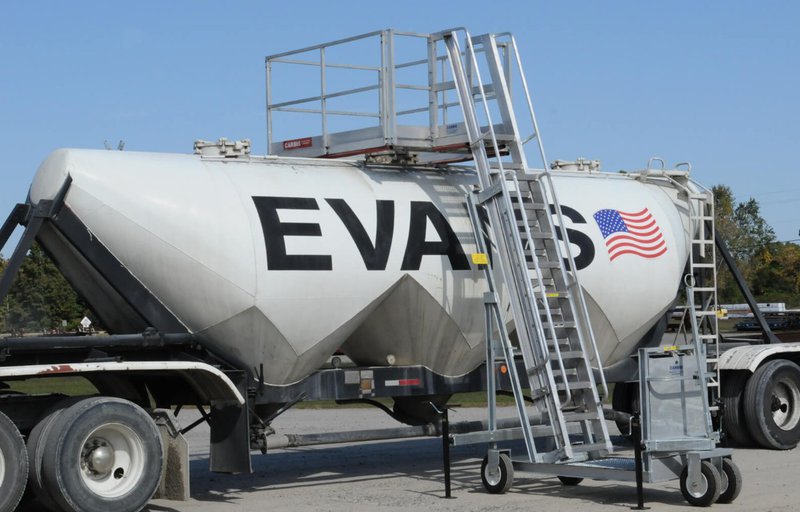
The Long-Term Value of Portable Access Platforms
Investing in portable access platforms delivers benefits beyond immediate safety improvements:
- Enhanced Worker Confidence: Predictable surfaces reduce fatigue and stress during repeated tasks
- Operational Efficiency: Safe and stable access speeds up loading, unloading and maintenance processes
- Regulatory Compliance: Platforms support OSHA and industry standards for elevated work
- Adaptable Solutions: Systems can be relocated or adjusted as terminal layouts and equipment evolve
- Cost-Effective: Reduces reliance on improvised or temporary solutions that may fail or create liability
These advantages make portable platforms an essential part of a terminal’s safety strategy.
Integrating Portable Platforms into a Comprehensive Access System
Portable access platforms work best when combined with other engineered safety solutions. For example:
- Linking platforms with ladders and guardrails ensures continuous safe pathways
- Pairing platforms with gangways allows smooth and level transitions between vehicles or vessels
- Combining with roof hatches or elevated maintenance platforms addresses gaps near equipment
- Performing regular safety audits confirms platforms and complementary systems remain effective
This holistic approach prevents small gaps from becoming major hazards and maintains safe, predictable working conditions for terminal crews.
Strengthen Safety with Carbis Solutions
Implementing portable access platforms is an important step, but choosing the right equipment and partner makes all the difference. Carbis Solutions designs engineered access systems—including platforms, gangways, and ladders—that fit real-world workflows in truck, rail and marine terminals. Their solutions are built for stability, flexibility, and long-term use, helping facilities reduce fall risk, improve operational efficiency, and keep workers safe every day. By integrating portable platforms into a complete access strategy with Carbis, industrial teams can bridge gaps, prevent accidents, and maintain smooth, compliant operations.