Understanding Fall Risk in Truck, Rail, and Marine Terminals

Fall risk is a daily reality in truck, rail, and marine terminals, yet it is often underestimated. Even small missteps while climbing onto trailers, railcars, or vessel decks can result in serious injuries. According to OSHA, slips, trips, and falls account for more than 20% of workplace fatalities in transportation and industrial environments. Many of these incidents occur during routine tasks that employees may assume are low risk. Addressing these hazards with practical, engineered solutions is essential for keeping crews safe and operations efficient.

Fall risks in terminals are not always obvious. Uneven surfaces, moving equipment, wet or oily decks, and misaligned gangways can turn a simple climb into a dangerous situation. Workers carrying cargo or tools are particularly vulnerable, especially under tight schedules that increase pressure to work quickly. Recognizing and mitigating these hazards proactively creates safer, more predictable work environments.

Key Areas Where Fall Risk Occurs

Truck Loading Platforms
Truck platforms are common points of exposure. Workers stepping on or off trailers often encounter gaps, uneven surfaces and dock plates that may be worn or improperly positioned. Balancing cargo or tools while climbing adds to the risk of slips, trips or falls. Temporary solutions such as portable ramps or boards can create variability in footing, making predictable, engineered access essential.

Rail Terminals
Rail operations involve elevated hatches, ladders and walkways that expose personnel to multiple hazards. Even small misalignments, wet surfaces or temporary ladders can quickly turn into slip-and-fall incidents. Crew members may also need to coordinate around moving railcars or shifting cargo, which requires stable and secure access to prevent injuries and avoid costly operational disruptions.

Marine Loading Points
Working on vessels introduces unique challenges. Gangways can shift with the motion of the ship, decks may be slippery from water, oil or ice and moving cargo adds unpredictability. Workers navigating these environments need secure handholds and controlled access pathways to maintain safety without slowing operations. In addition, harsh weather conditions can quickly turn otherwise safe surfaces into hazards, making engineered solutions vital.

Maintenance Areas and Rooftops
Accessing elevated equipment such as storage tanks, HVAC units, or rooftop machinery also carries significant risk. Low parapet walls, exposed edges and temporary platforms often leave workers exposed. Even minor slips can escalate into serious incidents if proper access systems are not in place.

Flatbed Tarping and Cargo Handling
Flatbed work requires walking along open surfaces while lifting or maneuvering materials. Wind, rain, or uneven footing increases the potential for falls. Pathways, handholds and integrated access systems should be secured to ensure workers can complete these tasks safely without relying on improvisation.

a domino effect for fall risk
Photographer: Sasun Bughdaryan | Source: UnsplashPhotographer: Sasun Bughdaryan | Source: Unsplash

Practical Measures to Reduce Fall Risk

Addressing fall risk is not only a matter of compliance but also of workflow, confidence and long-term operational efficiency. Facilities can take several proactive steps to protect workers:

  • Engineered Platforms and Gangways: Adjustable, durable and properly aligned platforms reduce variability and provide stable footing for trucks, railcars and vessels.
  • Fixed Ladders and Ladder Safety Systems: Secure ladders with integrated lifelines or safety posts create predictable climbing pathways while minimizing reliance on temporary solutions.
  • Routine Inspections and Maintenance: Regular inspections identify wear, misalignment or surface hazards can help teams correct issues before accidents occur.
  • Hands-On Training: Ensuring crews understand safe climbing techniques, load management and hazard awareness reinforces the value of engineered systems.

Why Integrated Access Solutions Matter

No single safety measure can eliminate fall risk entirely. Combining platforms, gangways, ladders and dock or roof access systems provides consistent, predictable pathways for workers. This integration allows crews to focus on their tasks instead of compensating for unstable or temporary surfaces. Terminal managers benefit from reduced accidents, fewer operational disruptions and stronger workforce confidence.

Additionally, integrated solutions make inspections and OSHA compliance simpler. When access systems are properly installed and maintained, documentation for inspections, training and maintenance becomes more straightforward. This reduces administrative burdens while keeping safety at the forefront of daily operations.
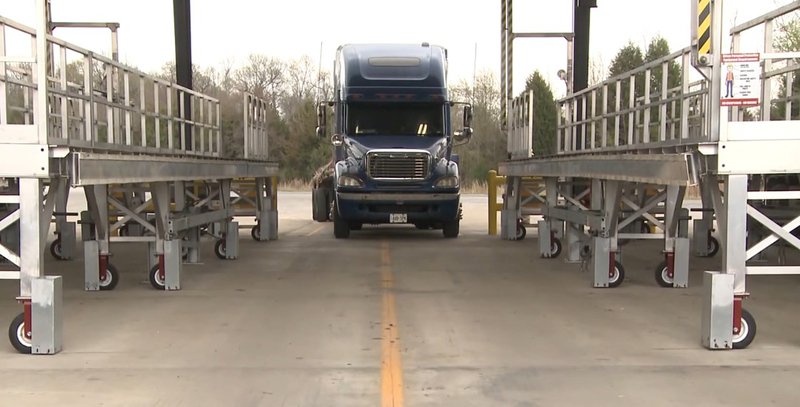
a flatbed for fall risk
Flatbed Trailers

Evolving Risks and Long-Term Safety

Even well-designed terminals change over time. Cargo layouts shift, equipment placement is updated and maintenance pathways evolve. Without adaptable solutions, these changes can introduce new fall risks. Facilities that invest in durable and flexible access systems can maintain consistent safety even as operations grow or evolve.

Durable gangways, ladders, guardrails and safety gates are designed to handle these dynamic environments. They allow terminals to maintain safe access, reduce incidents and protect workers across all types of elevated operations. When paired with training, inspections and operational planning, these solutions form a comprehensive safety program.

Carbis Solutions Approach

Carbis Solutions works closely with terminal managers to design systems that fit their operations and workforce. From folding stair gangways that maximize space, to fixed ladders, dock platforms and safety gates, every solution is engineered to reduce fall risk while maintaining operational efficiency. Carbis focuses on long-term, practical solutions rather than one-off products ensuring that safety measures adapt with changing layouts and equipment over time.

By investing in engineered access systems, terminals can create safer and more predictable work environments. Workers feel more confident navigating elevated areas, managers reduce liability and operational disruption, and facilities maintain compliance without constant intervention.

Recent Posts

Safer Access. Faster Loading. Smarter Operations.

In bulk loading operations, efficiency often depends on how quickly and safely crews can access multiple hatches on tanker trucks or railcars. Whether transferring chemicals, petroleum products, food-grade materials, or other commodities, operators face the same...

Why Choose an Elevating Safety Cage?

Tank trucks come in a variety of sizes and configurations, which can create a challenge when you're designing a loading rack that needs to safely accommodate more than one type of vehicle. A system that works well for one truck may not provide the same level of access...

Why Grounding Systems Matter in Tank Truck Operations

​Tank trucks move flammable liquids, chemicals, and powders through loading arms every day, and that motion generates static electricity. Left unmanaged, static charge can spark near vapors and turn a routine...

Let’s talk marine access

We use cookies to improve your experience. Please read our Privacy Policy or click Accept.
Cookies settings
Accept
Privacy & Cookie policy
Privacy & Cookies policy
Cookie name Active

Privacy Policy

What information do we collect?

We collect information from you when you register on our site or place an order. When ordering or registering on our site, as appropriate, you may be asked to enter your: name, e-mail address or mailing address.

What do we use your information for?

Any of the information we collect from you may be used in one of the following ways: To personalize your experience (your information helps us to better respond to your individual needs) To improve our website (we continually strive to improve our website offerings based on the information and feedback we receive from you) To improve customer service (your information helps us to more effectively respond to your customer service requests and support needs) To process transactions Your information, whether public or private, will not be sold, exchanged, transferred, or given to any other company for any reason whatsoever, without your consent, other than for the express purpose of delivering the purchased product or service requested. To administer a contest, promotion, survey or other site feature To send periodic emails The email address you provide for order processing, will only be used to send you information and updates pertaining to your order.

How do we protect your information?

We implement a variety of security measures to maintain the safety of your personal information when you place an order or enter, submit, or access your personal information. We offer the use of a secure server. All supplied sensitive/credit information is transmitted via Secure Socket Layer (SSL) technology and then encrypted into our Payment gateway providers database only to be accessible by those authorized with special access rights to such systems, and are required to?keep the information confidential. After a transaction, your private information (credit cards, social security numbers, financials, etc.) will not be kept on file for more than 60 days.

Do we use cookies?

Yes (Cookies are small files that a site or its service provider transfers to your computers hard drive through your Web browser (if you allow) that enables the sites or service providers systems to recognize your browser and capture and remember certain information We use cookies to help us remember and process the items in your shopping cart, understand and save your preferences for future visits, keep track of advertisements and compile aggregate data about site traffic and site interaction so that we can offer better site experiences and tools in the future. We may contract with third-party service providers to assist us in better understanding our site visitors. These service providers are not permitted to use the information collected on our behalf except to help us conduct and improve our business. If you prefer, you can choose to have your computer warn you each time a cookie is being sent, or you can choose to turn off all cookies via your browser settings. Like most websites, if you turn your cookies off, some of our services may not function properly. However, you can still place orders by contacting customer service. Google Analytics We use Google Analytics on our sites for anonymous reporting of site usage and for advertising on the site. If you would like to opt-out of Google Analytics monitoring your behaviour on our sites please use this link (https://tools.google.com/dlpage/gaoptout/)

Do we disclose any information to outside parties?

We do not sell, trade, or otherwise transfer to outside parties your personally identifiable information. This does not include trusted third parties who assist us in operating our website, conducting our business, or servicing you, so long as those parties agree to keep this information confidential. We may also release your information when we believe release is appropriate to comply with the law, enforce our site policies, or protect ours or others rights, property, or safety. However, non-personally identifiable visitor information may be provided to other parties for marketing, advertising, or other uses.

Registration

The minimum information we need to register you is your name, email address and a password. We will ask you more questions for different services, including sales promotions. Unless we say otherwise, you have to answer all the registration questions. We may also ask some other, voluntary questions during registration for certain services (for example, professional networks) so we can gain a clearer understanding of who you are. This also allows us to personalise services for you. To assist us in our marketing, in addition to the data that you provide to us if you register, we may also obtain data from trusted third parties to help us understand what you might be interested in. This ‘profiling’ information is produced from a variety of sources, including publicly available data (such as the electoral roll) or from sources such as surveys and polls where you have given your permission for your data to be shared. You can choose not to have such data shared with the Guardian from these sources by logging into your account and changing the settings in the privacy section. After you have registered, and with your permission, we may send you emails we think may interest you. Newsletters may be personalised based on what you have been reading on theguardian.com. At any time you can decide not to receive these emails and will be able to ‘unsubscribe’. Logging in using social networking credentials If you log-in to our sites using a Facebook log-in, you are granting permission to Facebook to share your user details with us. This will include your name, email address, date of birth and location which will then be used to form a Guardian identity. You can also use your picture from Facebook as part of your profile. This will also allow us and Facebook to share your, networks, user ID and any other information you choose to share according to your Facebook account settings. If you remove the Guardian app from your Facebook settings, we will no longer have access to this information. If you log-in to our sites using a Google log-in, you grant permission to Google to share your user details with us. This will include your name, email address, date of birth, sex and location which we will then use to form a Guardian identity. You may use your picture from Google as part of your profile. This also allows us to share your networks, user ID and any other information you choose to share according to your Google account settings. If you remove the Guardian from your Google settings, we will no longer have access to this information. If you log-in to our sites using a twitter log-in, we receive your avatar (the small picture that appears next to your tweets) and twitter username.

Children’s Online Privacy Protection Act Compliance

We are in compliance with the requirements of COPPA (Childrens Online Privacy Protection Act), we do not collect any information from anyone under 13 years of age. Our website, products and services are all directed to people who are at least 13 years old or older.

Updating your personal information

We offer a ‘My details’ page (also known as Dashboard), where you can update your personal information at any time, and change your marketing preferences. You can get to this page from most pages on the site – simply click on the ‘My details’ link at the top of the screen when you are signed in.

Online Privacy Policy Only

This online privacy policy applies only to information collected through our website and not to information collected offline.

Your Consent

By using our site, you consent to our privacy policy.

Changes to our Privacy Policy

If we decide to change our privacy policy, we will post those changes on this page.
Save settings
Cookies settings