In industrial environments, working at height is part of the job. From climbing platforms to accessing loading points, gangways, and elevated equipment, workers face exposure to fall risks every day. Even with careful planning, those risks don’t go away.
According to OSHA, slips, trips, and falls account for more than 20% of worker fatalities in industrial and transportation sectors each year. What’s more concerning is that many of these incidents happen during routine tasks that seem low risk at first glance. That’s exactly why proactive safety measures matter.
High-Risk Zones in Industrial Facilities
Knowing where falls are most likely to occur helps facility leaders focus their safety efforts where they’ll have the greatest impact. Several areas consistently stand out:
Elevated loading platforms
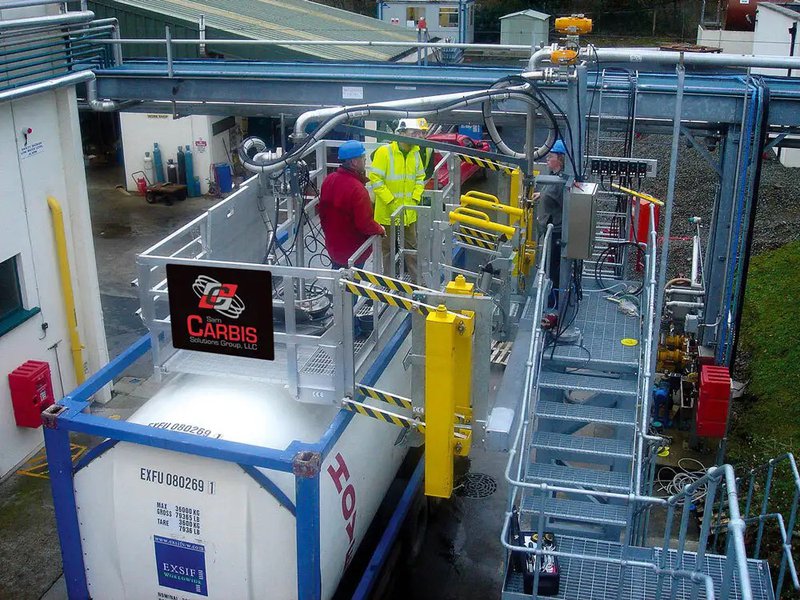
Platforms used for trucks, railcars, and marine vessels often expose workers to uneven surfaces, gaps, and misaligned gangways. When you add tools or cargo into the mix, balance becomes more difficult and the risk of a misstep increases. That’s why engineered access systems aren’t just helpful, they’re essential.
Gangways and Access Ladders
Gangways and fixed ladders are critical for daily operations, but they can quickly become hazards if they’re worn, misaligned, or used improperly. Moisture, debris, frost, or oil residue can all lead to slips. Adding protective features like cages and clearly defined pathways helps reduce that exposure.
Maintenance areas and rooftops
Accessing elevated equipment, storage tanks, or rooftop systems introduces another layer of risk. Low parapet walls, open edges, and temporary work platforms are common problem areas. Without permanent, secure access solutions, even a minor slip can turn into a serious incident.
Flatbed tarping and cargo handling
Flatbed work often requires walking across open surfaces while lifting or positioning materials. Weather conditions like wind and rain, along with uneven footing, can make these tasks even more hazardous. Controlled access points and secure handholds can make a significant difference in reducing risk.
Railcar and marine loading oints
Rail and marine environments bring their own challenges. Shifting cargo, moving gangways, and unstable surfaces all increase the likelihood of slips and trips. Even small misalignments can create serious hazards, which makes durable, engineered access systems critical for maintaining worker safety.
Why Fall Risks Persist
Even with safety protocols in place, falls remain a serious concern because the work environment and human factors create real-world challenges:
- Unpredictable access: Portable ladders, temporary platforms, or makeshift walkways can feel unstable, leaving workers guessing with every step.
- Slippery conditions: Oil spills, water, ice, dust, or debris make surfaces treacherous, even for experienced employees.
- Human realities: Fatigue, tight deadlines, and momentary distractions can lead to missteps or overreaching—things that happen even to careful workers.
- Hidden hazards: Aging equipment, delayed inspections, or missing guardrails can quietly turn everyday tasks into risky situations.
- Pressure of the job: Fast-paced operations and coordinating multiple teams can unintentionally encourage shortcuts or skipped safety steps.
- Challenging layouts: Multi-level platforms, gangways, or rooftops increase exposure if systems aren’t integrated, clearly marked, or intuitive to navigate.
When facilities recognize these everyday challenges and pair them with engineered access solutions, proper inspections and hands-on training, they can reduce risks and help workers feel safer while staying productive.
Proactive Measures to Reduce Fall Risks
Reducing fall risks isn’t just about rules, it’s about creating an environment where workers can move confidently and safely. Facilities can take practical, everyday steps to protect their teams:
- Invest in stable access systems: Permanent platforms, gangways, and integrated ladders provide consistent footing, removing the guesswork from temporary or improvised solutions.
- Regular inspections and maintenance: Checking equipment, guardrails, and walkways before each shift catches small hazards before they become serious problems.
- Environmental management: Promptly addressing spills, debris, ice, or other slippery conditions keeps surfaces predictable and safe.
- Training with real-world scenarios: Hands-on sessions that reflect the actual work environment help workers anticipate risks and respond safely under pressure.
- Plan workflow around safety: Scheduling, coordination, and clear communication between teams reduce the temptation to take shortcuts.
- Integrate systems across the site: Clearly marked, connected platforms and stairways make multi-level access intuitive, so workers can navigate complex layouts without guessing or overreaching.
By combining thoughtful design, proactive maintenance, and practical training, facilities can create a safer, more efficient workplace—and help every employee return home safely at the end of the day.

Industry-Specific Considerations
Different industries face unique working-at-height challenges. Tailoring access solutions to those conditions is key to reducing risk and maintaining safe operations.
Petroleum and chemical processing
Environments with frequent spills or residue buildup require non-slip surfaces and secure access systems that maintain stability under changing conditions.
Food and beverage manufacturing
Wet cleaning processes and strict hygiene standards demand access systems that are durable, corrosion-resistant, and easy to clean without compromising safety.
Maritime and transport
Shifting vessels and moving cargo create constantly changing conditions. Adjustable gangways and stable access points help workers maintain safe footing throughout operations.
Agriculture and mining
Uneven terrain and heavy equipment introduce additional complexity. Rugged platforms, reinforced railings, and dependable access systems are essential in these environments.
Closing the Gap on Fall Risks
Fall risks don’t go away with rules alone. They require practical, reliable solutions that workers can depend on every day. Engineered platforms, gangways, ladders, and integrated access systems help reduce variability and create safer, more predictable pathways.
When these solutions are supported by routine inspections, effective environmental management, and hands-on training, the likelihood of falls drops significantly. At the same time, operations become more consistent and efficient.
Carbis Solutions works closely with operations, engineering, and safety teams to develop access systems tailored to real-world conditions. From railcars and flatbeds to marine vessels, these solutions combine engineered design, site assessments, and on-site training to help teams perform elevated tasks with confidence.
Focusing on proactive, practical solutions instead of temporary fixes allows facilities to turn high-risk environments into controlled, reliable, and safer working spaces.